
Blog
Why I Trust (and Double-Check) Rabby: a Practical Guide to Rabby Wallet Download and Multi‑Chain Use
Okay, so check this out—I’ve been fiddling with browser wallets for years. Whoa! My first impression was that every extension looked the same, though actually they were very different under the hood. Hmm… something felt off about a few of them, and my instinct said to slow down. Initially I thought a flashy UI meant better security, but then I dug into permissions and realized that’s not the case.
Rabby caught my eye because it aims to be a multi-chain browser extension that focuses on safety. Seriously? Yes. There are quiet features that matter, like permission scoping and transaction simulation. On one hand the UI is friendly; on the other hand the real win is how it surfaces risky approvals. I’ll be honest—this part bugs me in other wallets, very very often…
Short tip: treat any extension as a gatekeeper. Whoa! Read the permissions before you click accept. If you blindly allow everything, you lose control. Longer thought: permissions are how malicious dapps can move funds if they get your session approval, so minimizing exposure matters more than a prettier UX.
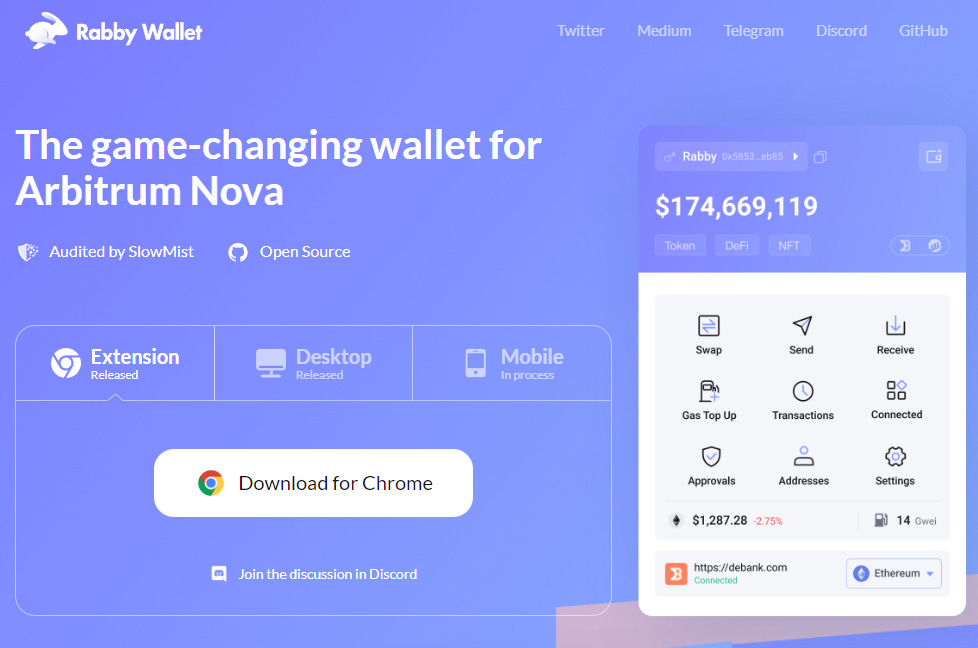
How I approach a Rabby wallet download
First, calm down and verify. Really. Check the source and make sure you’re on the right page. My process is deliberate: find official channels, confirm the developer handle, and compare extension IDs across stores. Actually, wait—let me rephrase that: I cross-check multiple signals before trusting an installer.
Download from trusted outlets. Whoa! I prefer the browser’s official extension store, but sometimes the project links out to GitHub or a verified site. If you want a quick link, the easiest starting point is this rabby wallet download. Also do a checksum or verify the publisher when possible. On top of that, look for community signals—reddit threads, GitHub stars, and honest bug reports tell a story.
Installation is straightforward but not trivial. Hmm… add the extension, then create or import a wallet and set a strong password. Back up your seed phrase offline—paper or a hardware backup. My instinct said to split the seed into parts and store them separately; others like specialized devices. On one hand that’s overkill for some folks, though actually it’s the safest route for serious balances.
What I love: Rabby’s multi‑chain approach feels native instead of slapped on. Whoa! It supports Ethereum, BSC, Polygon, and many EVM chains with easy network switching. The wallet maps tokens across chains and helps avoid the wrong-network traps that make transactions fail. Longer, nerdy note: because token addresses can repeat across chains, Rabby highlights chain context which prevents cross-chain mistakes that cost gas and sanity.
Now, security realities. Hmm… browser extensions are a privileged layer in your browser. Short and blunt: treat them like apps with keys. They can request account access, request signature approvals, or even suggest gas edits. On the analytical side, Rabby offers granular approval controls and transaction previews that simulate the call data, so you can see what a dapp really asks you to sign. My gut said that seeing the raw call makes me sleep better at night.
One complaint: sometimes popups feel noisy. Whoa! That distraction has saved me more times than not. It can break the flow though, and that bugs me. There’s a tension here—security vs. convenience—and Rabby leans toward security. On balance, I prefer that, especially when moving larger amounts.
Interacting with dapps is where Rabby shines for power users. Hmm… it shows detailed request info before signing. You can limit approvals to single transactions instead of blanket allowances. Also, it displays gas suggestions and lets you edit gas parameters. On one hand that’s technical; on the other hand it saves you from overpriced transactions when networks spike.
If you use hardware wallets, Rabby plays nice. Whoa! Ledger and other devices can be connected, keeping keys offline while using the convenient extension UI. This hybrid setup is my fallback for meaningful balances. Longer thought: even with a hardware wallet, sometimes frontend signing can leak metadata, so pair that with careful dapp selection and network hygiene.
Okay—practical checklist before downloading: confirm publisher, read store reviews, verify extension ID, back up seed phrase, connect hardware if possible. Whoa! Don’t rush. If somethin’ smells off, pause. Also keep your browser and OS updated, and avoid installing too many crypto-related extensions.
One more real-world note: phishing extensions clone names and icons. Seriously? It happens. There are fake listings mimicking popular wallets, and a single wrong click can be disastrous. Longer warning: search engines sometimes surface scammy pages that look official, so double-check URLs and prefer verified stores or the project’s GitHub with signed releases.
FAQ — quick answers
Is Rabby only for Ethereum?
No. Rabby is a multi-chain wallet with broad EVM support, so you can manage accounts across many networks from the same extension.
Where should I download Rabby?
Start from trusted sources and verify the publisher. For convenience, here’s a starting point: rabby wallet download. Double-check that the store listing or GitHub release matches official project details.
Can Rabby connect to a hardware wallet?
Yes. It supports hardware integrations so you can keep private keys offline while using a familiar extension interface for transactions.
Final thought: I’m biased toward cautious setups. Whoa! That means some extra friction up front, but it pays off later. Initially I thought convenience was king; these days security wins. On one hand you can chase the slickest UX; on the other hand you can lock down your funds and sleep better. I’m not 100% sure about future-proofing every change, but this workflow has kept my accounts intact so far.
